
tinted glazing
Understanding Tapering Gauges An Overview In the world of manufacturing and mechanical engineering, precision is paramount. Tapering gauges are crucial tools used to measure and assess the dimensions of conical surfaces, such as those found in pipes, tubes, and various fittings. By understanding tapering gauges—how they work, their types, and their applications—engineers can ensure that products meet necessary specifications and operate effectively. What Are Tapering Gauges? Tapering gauges are specialized measuring tools designed to check the taper of a surface. A taper is a uniform reduction in thickness or diameter along a length, often seen in machine parts and fittings. The importance of precise measurements cannot be overstated, as inaccuracies can lead to poor fittings, malfunctioning machinery, or even safety hazards. These gauges typically consist of a series of blades or pins, each calibrated to a specific taper angle. Users employ them to determine whether a given workpiece meets required tolerances. Tapering gauges are particularly useful in industries dealing with piping, automotive components, and aerospace parts, where accurately fitting edges are crucial for function and safety. Types of Tapering Gauges There are several types of tapering gauges available in the market, each designed for specific applications . Here are a few common types 1. Plug Gauges These are cylindrical in shape and are used to check the size of holes. They come in a variety of diameters and taper angles, allowing for versatile applications. 2. Ring Gauges Complementary to plug gauges, these are used to measure the outer diameter of cylindrical objects. They offer a quick way to assess the compatibility and fit between mating parts. 3. Feeler Gauges While they are not exclusive to taper measurements, feeler gauges can be used to check the gap or alignment in tapering structures by inserting blades of varying thickness. tapering gauges 4. Electronic Taper Gauges With advancements in technology, electronic taper gauges are becoming increasingly popular for their precision and ease of use. These gauges provide digital readings, simplifying the measurement process and minimizing human error. How to Use a Tapering Gauge Using a tapering gauge is a straightforward process. The first step involves selecting the appropriate gauge based on the angle and size of the taper to be measured. Inspect the tapering surface and insert the gauge until it fully engages the taper. A proper fit indicates that the workpiece is within the specified tolerances. If there is any gap, it signals that the surface might be out of specification. It’s worth noting that these gauges should be handled with care. Regular calibration and maintenance are recommended to ensure accurate measurements over time. Even a small deviation in the gauge can lead to significant errors in measuring the workpiece, resulting in costly mistakes in production. Applications of Tapering Gauges Tapering gauges find applications in various industries. In the automotive sector, they are essential for checking the conformity of engine components, ensuring that parts are manufactured to precise specifications for optimal performance. In pipe fittings, tapering gauges help ensure that pipes and connectors fit together correctly, which is critical in systems that require tight seals to prevent leaks. In aerospace, where every component undergoes stringent quality control, taper gauges play a critical role in assessing parts that must withstand extreme pressure and environmental conditions. Any precision variances can have severe consequences, making accurate measurements an integral part of manufacturing processes. Conclusion Tapering gauges are indispensable tools in the realm of precision engineering. They ensure that components fit together correctly, maintaining the reliability and safety of machinery and products. With various types to choose from, including traditional mechanical gauges and modern electronic versions, the significance of tapering gauges is evident across multiple industries. Understanding their use and maintaining their calibration is vital for engineers to deliver quality products that meet legal and safety standards. As industries continue to evolve, the role of tapering gauges will undoubtedly remain critical in the pursuit of precision and excellence in manufacturing.
about
tinted glazing
The Importance of Steel Ground Anchors in Modern Engineering In contemporary construction and engineering projects, the significance of ground anchors cannot be overstated. Among the various types, steel ground anchors stand out for their structural integrity, durability, and adaptability across a wide range of applications. Whether in civil engineering, landscaping, or emergency rescue operations, steel ground anchors play a crucial role in ensuring stability and safety. Understanding Steel Ground Anchors Steel ground anchors are devices that are used to secure structures to the ground, preventing movement caused by external forces such as wind, soil settlement, or seismic activity. They are typically made from high-strength steel, providing a robust solution with high tensile strength and resistance to corrosion. Designed to transfer loads into the ground, these anchors are essential for securing a variety of structures such as buildings, towers, and retaining walls. Applications of Steel Ground Anchors 1. Civil Engineering In civil engineering projects, steel ground anchors are often employed to stabilize slopes and prevent landslides. They are used in the construction of deep foundations for bridges and buildings. These anchors are crucial during excavation, providing lateral support and maintaining the safety of the site. For example, during the construction of a high-rise building, engineers may use ground anchors to hold back soil and ensure the stability of adjacent structures. 2. Telecommunication and Energy Sectors Telecommunication towers and wind turbines are often anchored using steel ground anchors to withstand the forces of nature. The stability provided by these anchors is essential for ensuring the safety and functionality of communication networks and renewable energy sources . For instance, wind turbines must endure high winds; steel anchors prevent them from toppling over, thereby increasing their operational lifespan. steel ground anchors 3. Landscaping and Retaining Walls In landscaping, steel ground anchors are used to secure retaining walls and outdoor structures such as pergolas and fence systems. They help to prevent soil erosion and maintain the integrity of landscaping designs. By anchoring retaining walls, these structures can effectively hold back soil, protecting gardens and homes from potential damage. 4. Emergency and Rescue Operations Steel ground anchors are critical in emergency situations, especially in search and rescue operations. They can provide anchorage points for rescue lines or equipment, ensuring the safety of rescue workers. For instance, in situations involving collapsed structures, these anchors help to secure stable platforms for rescuers while they conduct their operations. Advantages of Steel Ground Anchors The choice of steel for ground anchors is primarily due to its many advantages. Steel ground anchors are known for their exceptional load-bearing capacity, high tensile strength, and excellent resistance to environmental factors like corrosion and UV radiation. Modern treatments and coatings can enhance the durability of these anchors, making them suitable for harsh weather conditions and varied soil types. Moreover, the installation of steel ground anchors is relatively straightforward. With specialized equipment, construction teams can quickly and efficiently install these anchors, reducing project timelines. This efficiency also translates into cost savings, as fewer materials and labor are required compared to alternative anchoring methods. Conclusion In conclusion, steel ground anchors are an indispensable component in the fields of construction and engineering. Their versatility, strength, and effectiveness in stabilizing structures make them a preferred choice for various applications. As construction practices and technologies continue to evolve, the role of steel ground anchors will undoubtedly expand, further contributing to the safety and durability of modern infrastructure. Engineers and construction professionals must continue to embrace innovative anchoring solutions to ensure that our built environment stands resilient against the forces of nature and time.
-

High quality industrial productsagement

High quality industrial products
View Details -

Meet the diverse needs of customers

Meet the diverse needs of customers
View Details -

Strict quality control

Strict quality control
View Details -

Top raw materials

Top raw materials
View Details -

Trusted supplier

Trusted supplier
View Details
Our application

news and information

y Siebdampfabscheider
Der Y-Strainer ist ein wichtiges Bauteil in der industriellen Prozessindustrie, insbesondere in Damp
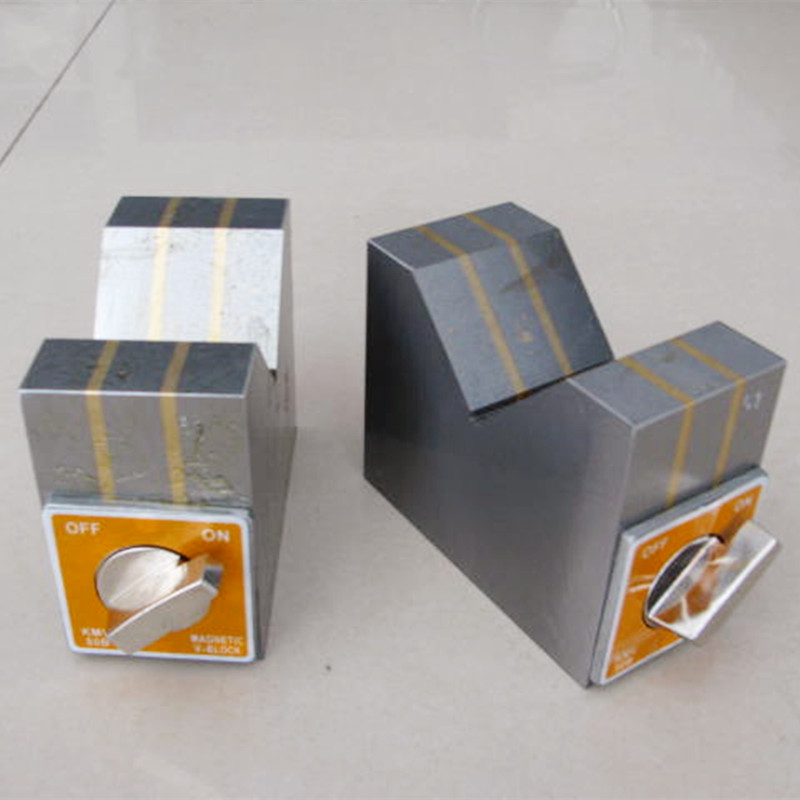
Using Pin Go-No Go Gauge for Precision Measurement in Manufacturing Applications
Understanding the Pin Go/No-Go Gauge A Key Tool in Quality Control In the realm of manufacturing and
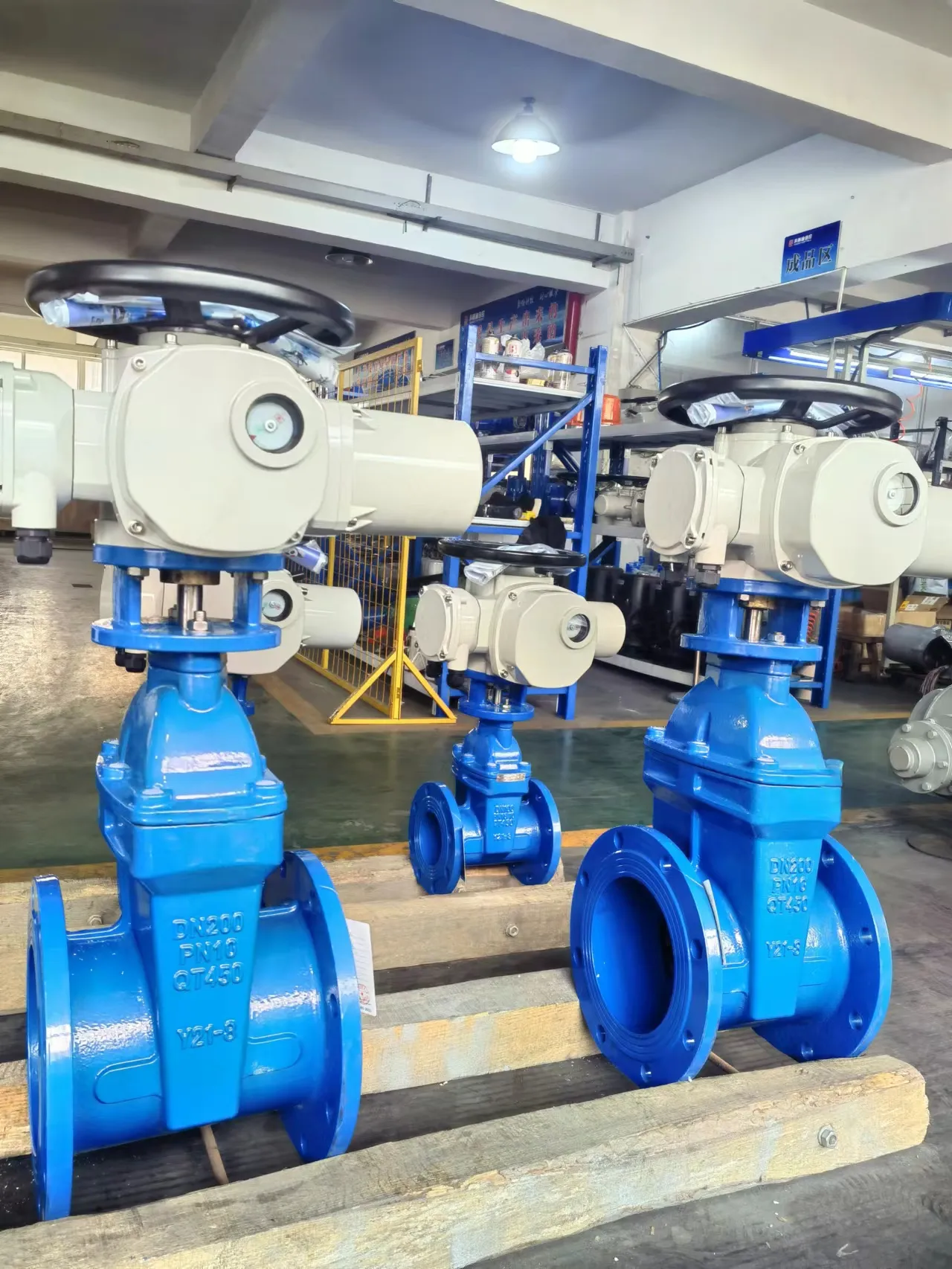
Van cửa niêm phong mềm điện
Van cổng 150mm, một trong những sản phẩm quan trọng trong ngành công nghiệp, đóng vai trò tối ưu hóa
 English